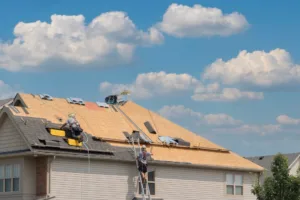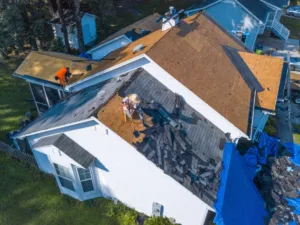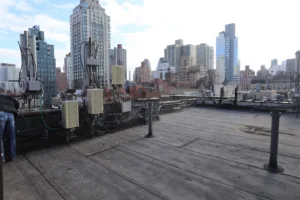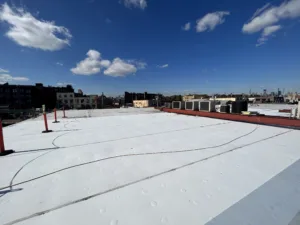
A properly installed roof in New York City can last anywhere from about 15 years to more than 75 years, depending on the roofing material, installation quality, ventilation, maintenance, and exposure to weather. Asphalt shingles typically last 20 to 30 years, while metal, tile, and slate roofing systems can last much longer.
Most asphalt shingle roofs in New York City last approximately 20 to 30 years. Flat roofing systems commonly last 15 to 30 years, while metal and slate roofs may remain functional for several decades longer.
What Is the Average Roof Lifespan in New York City?
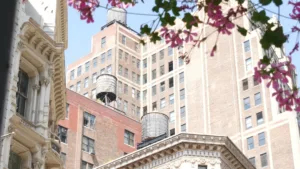
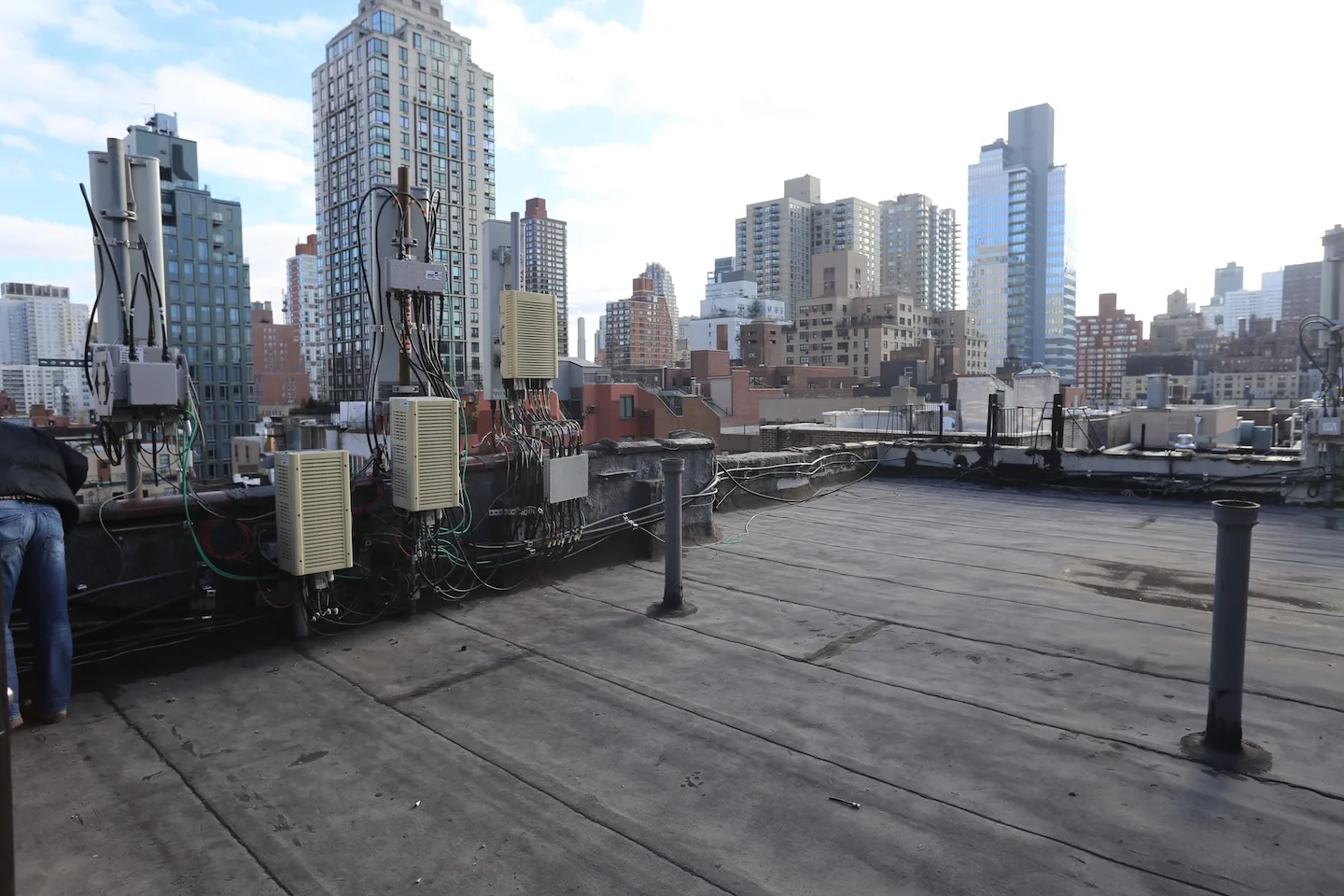
The average lifespan of a roof in New York City depends heavily on the type of roof installed. Many residential properties have asphalt shingles, while townhouses, apartment buildings, commercial properties, and mixed-use buildings often use flat or low-slope roofing systems.
A standard asphalt shingle roof may last between 15 and 25 years. Higher-quality architectural shingles can often last between 20 and 30 years when they are installed correctly and properly maintained.
Flat roofing systems commonly last between 15 and 30 years, depending on the membrane, drainage conditions, installation quality, and how frequently the roof is inspected.
These numbers are general estimates rather than guarantees. Two roofs made from the same material can age very differently depending on workmanship, ventilation, drainage, sun exposure, storm damage, and maintenance.
Roof Lifespan by Roofing Material
Different roofing materials have different expected service lives. Understanding the type of roof on your property is the first step toward estimating when repairs or replacement may be needed.
Three-Tab Asphalt Shingles
Traditional three-tab shingles generally last approximately 15 to 20 years. Their lighter construction makes them more vulnerable to wind, temperature changes, and long-term wear.
Architectural Shingles
Architectural or dimensional shingles commonly last 20 to 30 years. They are thicker than basic three-tab shingles and typically provide better resistance to wind and weather.
Modified Bitumen Roofing
Modified bitumen is frequently used on flat and low-slope roofs. A properly installed system may last approximately 15 to 25 years with regular inspections and repairs.
EPDM Rubber Roofing
EPDM roofing often lasts between 20 and 30 years. Seams, penetrations, flashing, drainage, and rooftop equipment can all affect its actual lifespan.
TPO Roofing
TPO roofing is commonly used on commercial and flat-roof properties. Depending on material quality and installation, a TPO roof may last approximately 15 to 25 years.
Metal Roofing
Quality metal roofing can last 40 to 70 years or longer. Fasteners, seams, coatings, flashing, and corrosion protection must all be properly maintained.
Slate Roofing
Natural slate can last 75 to 100 years or more. Individual slate tiles, flashing, fasteners, and the supporting roof structure may still require occasional repairs.
Clay or Concrete Tile
Tile roofs can last 50 years or longer. Their lifespan depends on the condition of the underlayment, flashing, fasteners, and structural support beneath the tiles.
| Roofing Material | Estimated Lifespan | Common NYC Application |
|---|---|---|
| Three-tab asphalt shingles | 15 to 20 years | Residential pitched roofs |
| Architectural shingles | 20 to 30 years | Residential pitched roofs |
| Modified bitumen | 15 to 25 years | Flat and low-slope roofs |
| EPDM rubber | 20 to 30 years | Flat residential and commercial roofs |
| TPO membrane | 15 to 25 years | Commercial and multifamily properties |
| Metal roofing | 40 to 70 years | Residential and commercial roofs |
| Slate roofing | 75 to 100+ years | Historic and high-end properties |
| Clay or concrete tile | 50+ years | Specialty residential properties |
How New York City Weather Affects Roof Lifespan
New York City roofs are exposed to hot summers, freezing winters, rain, snow, ice, wind, humidity, and rapid temperature changes. These conditions can place significant stress on roofing materials throughout the year.
Summer Heat and Sun Exposure
Dark roofing materials can become extremely hot during the summer. Repeated heating and cooling may cause shingles, sealants, membranes, and flashing materials to expand and contract.
Over time, ultraviolet exposure can dry out asphalt shingles, weaken protective coatings, and reduce the flexibility of certain roofing materials.
Winter Freeze and Thaw Cycles
Moisture can enter small cracks, seams, and damaged areas. When temperatures drop, trapped water may freeze and expand. Repeated freeze and thaw cycles can worsen existing roof damage.
Heavy Rain and Drainage Problems
Drainage is especially important for flat and low-slope roofs. Clogged drains, poorly positioned scuppers, damaged gutters, and low areas can allow water to remain on the roof.
Standing water can place additional weight on the structure and accelerate deterioration around seams, flashing, drains, and roof penetrations.
Strong Winds and Coastal Storms
Wind can loosen shingles, lift flashing, damage roof edges, and expose underlying materials. Properties in coastal sections of New York City may also experience wind-driven rain and salt exposure.
Storm Damage Is Not Always Obvious
A roof can look intact from the ground while still having loose shingles, damaged flashing, punctured membranes, or compromised seams. A professional inspection after a major storm can identify problems before water reaches the interior.
Installation Quality Can Determine How Long a Roof Lasts
Roofing materials can only perform as intended when they are installed correctly. Even a premium roofing system may fail early if the contractor overlooks flashing, ventilation, drainage, fastening, preparation, or manufacturer installation requirements.
Common installation problems that may shorten roof lifespan include:
- Improperly installed flashing around chimneys, walls, skylights, and vents
- Incorrect shingle nailing or fastening patterns
- Installing new materials over damaged or deteriorated roof decking
- Insufficient underlayment or moisture protection
- Poorly sealed membrane seams
- Inadequate drainage on flat roofing systems
- Improper transitions between different roofing materials
- Failure to account for roof movement and temperature changes
A roof should function as a complete system. Shingles or membranes are only one part of that system. Decking, underlayment, flashing, drainage, ventilation, and penetrations all need to work together.
How Attic Ventilation and Moisture Affect Roof Life
Ventilation can play an important role in the performance of a pitched roofing system. An attic that traps excessive heat and moisture may contribute to premature shingle deterioration, condensation, mold growth, wet insulation, and damaged roof decking.
During the winter, warm indoor air can move into the attic and condense on cold surfaces. During the summer, trapped heat can raise attic temperatures and place additional stress on shingles and roofing materials.
Ventilation needs vary depending on the building, roof design, insulation, air sealing, and property type. A roofing inspection should evaluate the complete roof assembly rather than focusing only on the exterior surface.
Falco Pro Tip
Stains, damp insulation, musty odors, rusted fasteners, or darkened roof decking may indicate a moisture or ventilation problem that should be investigated.
Does Roof Maintenance Really Extend Its Lifespan?
Regular maintenance cannot make a roof last forever, but it can prevent small problems from turning into widespread damage. Many expensive roofing failures begin with relatively minor issues such as loose flashing, clogged drains, damaged sealant, or a small puncture.
Routine roof maintenance may include:
- Inspecting the roof after major storms
- Clearing leaves and debris from the roof surface
- Keeping gutters, drains, and downspouts clear
- Checking flashing around chimneys, walls, vents, and skylights
- Repairing loose, cracked, or missing shingles
- Checking flat-roof seams and penetrations
- Removing branches that rub against the roof
- Correcting areas where water repeatedly collects
- Inspecting interior ceilings and attic spaces for moisture
Commercial and multifamily roofs may need more frequent attention when contractors, HVAC technicians, maintenance personnel, or other workers regularly access the roof.
Signs That Your Roof May Be Near the End of Its Life
The age of a roof is important, but age alone does not determine whether replacement is necessary. A professional inspection should evaluate the roof’s actual condition, repair history, structural support, drainage, and remaining service life.
Missing Shingles
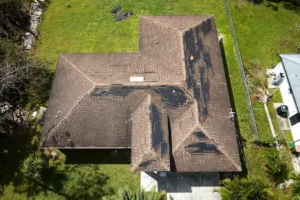
Missing or loose shingles expose the underlayment and roof deck to water and additional wind damage.
Curling or Cracking
Curling edges and widespread cracking may indicate that asphalt shingles have become dry, brittle, and weathered.
Granule Loss
Excessive granules in gutters or at the bottom of downspouts may be a sign that shingles are deteriorating.
Interior Water Stains
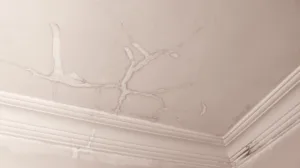
Ceiling or wall stains may indicate a leak, damaged flashing, condensation, or another moisture problem.
Repeated Repairs
Frequent leaks in different areas may suggest that the overall roofing system is reaching the end of its service life.
Standing Water
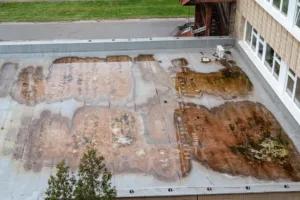
Persistent ponding on a flat roof may point to drainage problems, settlement, insulation damage, or structural concerns.
Other Warning Signs to Watch For
- Soft or sagging areas of the roof deck
- Open seams on a flat roofing membrane
- Cracked or missing flashing
- Blisters or bubbles in a roof membrane
- Visible daylight inside the attic
- Peeling paint near ceilings or exterior rooflines
- Mold, mildew, or musty odors inside the attic
- Unexpected increases in heating or cooling costs
Do Not Wait for Water to Pour Inside
By the time a roof leak becomes visible inside the property, moisture may have already affected insulation, decking, framing, ceilings, walls, or electrical components.
Should You Repair or Replace an Aging Roof?
A roof repair may be appropriate when the damage is isolated, the surrounding roofing materials remain in good condition, and the roof still has meaningful service life remaining.
Replacement may be more practical when deterioration is widespread, leaks occur in multiple areas, the roof has already received numerous repairs, or the roofing system is approaching the end of its expected lifespan.
Roof Repair May Make Sense When:
- The damage is limited to one area
- The roof is still relatively young
- Most roofing materials remain in good condition
- A specific flashing or penetration is leaking
- The repair can be completed without disturbing large roof areas
Replacement May Make Sense When:
- The roofing system has widespread deterioration
- The roof has exceeded its expected lifespan
- Leaks are appearing in multiple locations
- Previous repairs are repeatedly failing
- Decking or underlying materials are extensively damaged
The lowest-cost immediate option is not always the most economical long-term decision. Continuing to patch a failing roof can sometimes cost more than planning a complete replacement.
How to Help Your Roof Last Longer
Property owners cannot control every storm or weather condition, but several practical steps can reduce unnecessary roof deterioration.
Schedule Routine Inspections
Have the roof inspected periodically and after severe storms. Early detection usually makes repairs simpler and less disruptive.
Keep Water Moving
Maintain clear gutters, drains, downspouts, and scuppers so rainwater and melting snow can leave the roof efficiently.
Address Small Damage Promptly
Repair loose flashing, missing shingles, membrane punctures, open seams, and damaged sealant before water spreads into the roof assembly.
Control Roof Access
Limit unnecessary foot traffic and make sure contractors use appropriate walkways and protection when accessing rooftop equipment.
Work With an Experienced Roofing Contractor
Proper installation and repair methods are essential for protecting the roof, maintaining manufacturer requirements, and reducing the risk of premature failure.
Frequently Asked Questions About Roof Lifespan
How long does an asphalt shingle roof last in New York City?
A basic asphalt shingle roof may last approximately 15 to 20 years. Higher-quality architectural shingles commonly last between 20 and 30 years when installed correctly and properly maintained.
How long does a flat roof last in NYC?
Many flat roofing systems last approximately 15 to 30 years. The actual lifespan depends on the roofing membrane, installation quality, drainage, rooftop traffic, maintenance, and exposure to standing water.
Can a roof last longer than its expected lifespan?
Yes. A roof may exceed its typical lifespan when it was properly installed, receives regular maintenance, has effective drainage and ventilation, and avoids significant storm damage. However, an older roof should still be inspected regularly.
Should I replace a roof before it starts leaking?
Replacement may be worth considering when a roof has widespread deterioration or has reached the end of its expected lifespan. Waiting for a major leak can allow water to damage insulation, decking, framing, and interior finishes.
How often should a roof be inspected?
A roof should generally be inspected periodically and after significant storms. Older roofs, flat roofs, and heavily accessed commercial roofs may benefit from more frequent inspections.
What is the longest-lasting roofing material?
Natural slate is one of the longest-lasting roofing materials and may remain functional for 75 to 100 years or longer. Metal and tile roofing systems can also provide several decades of service when properly installed.
Can regular maintenance extend the life of a roof?
Regular maintenance can help a roof reach its expected lifespan by identifying drainage problems, damaged flashing, loose shingles, open seams, and minor leaks before they cause more extensive damage.
Does Falco Design and Construction provide roof inspections and estimates?
Falco Design and Construction provides professional roofing services for residential and commercial properties throughout New York City. Contact the team to discuss your roof and request a free estimate.
Is Your Roof Showing Signs of Age or Damage?
Falco Design and Construction provides roofing inspections, repairs, replacements, waterproofing, and exterior construction services for homeowners, businesses, and property owners throughout New York City.